
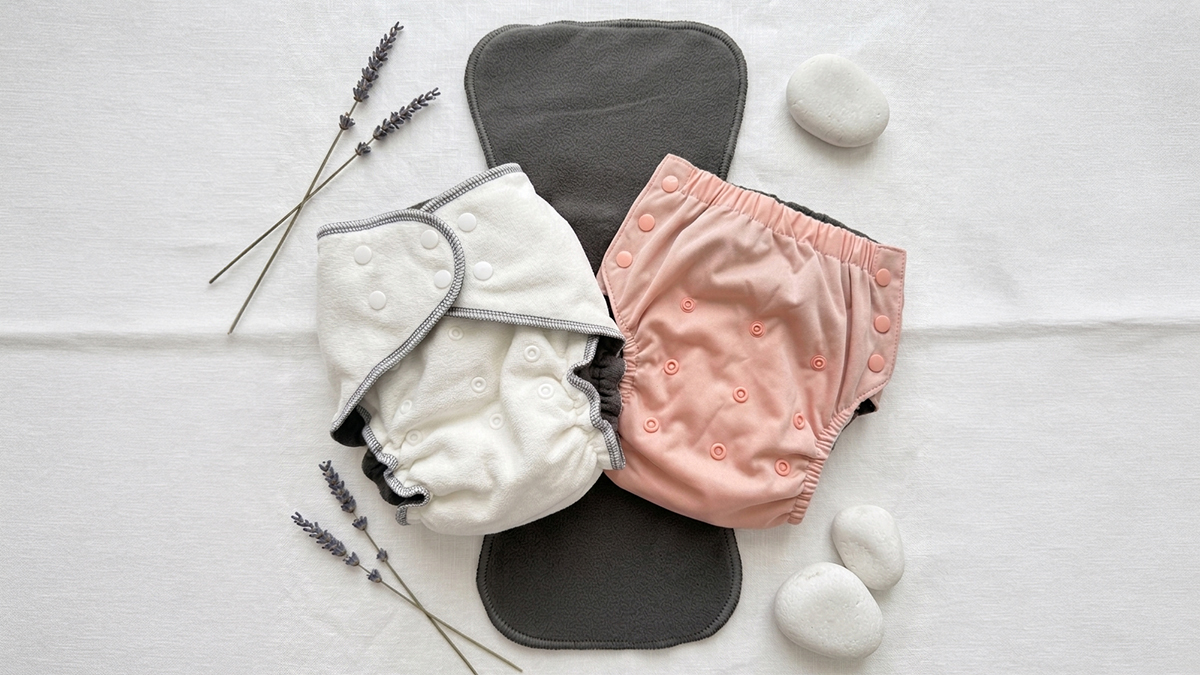
Cloth diapers for special needs teens are reusable cloth incontinence products designed for adolescent and young-adult bodies — not scaled-up baby diapers, and not adult disposables retrofitted to fit a smaller frame. EcoAble's Big Kids range tops out at size 16, and our adult line picks up where Big Kids ends, so families managing teen incontinence, enuresis, or developmental conditions can move through the size transition without changing brands. Bamboo rayon next to the skin gives a stay-dry feel that disposables can't match, and the layered system holds a full night for heavy wetters. This guide covers what makes teen cloth diapering different from younger kids, how to choose between the Big Kids and adult lines as your teen grows, and what dignity looks like in product form.
Diapering a teenager is a different conversation than diapering a younger child. The product still has to do the same job — hold liquid, contain leaks, fit the body, feel comfortable — but the emotional and social context shifts almost entirely. Teens know more, feel more about it, and have more at stake. The diaper isn't just a tool; it's something they live with, sometimes daily, sometimes for years. The right product makes that lived experience easier. The wrong product turns a manageable medical reality into a daily friction.
For families landing on this article, the journey usually looks the same. Disposables stop sizing up. Adult disposables fit but feel wrong on a teen body and trigger sensory or skin reactions. Teen pull-up products from medical-supply catalogs are sparse, expensive, and often visibly clinical. And cloth diaper retailers usually stop at toddler sizes, leaving caregivers to piece a system together from products designed for very different bodies and needs.
EcoAble has been making cloth diapers for older kids and adults since 2012 because the gap is real. Below: who this is for, what the system looks like across the size transition, and how to make it work day-to-day.
Who This Is For — and What "Special Needs" Means in This Context
"Special needs teen" covers a wide range of conditions and circumstances, and the right cloth diaper setup depends on which one applies. The most common situations we see:
- Adolescents with autism, ADHD, or sensory processing differences who didn't follow the typical toileting timeline. Some are still working through partial daytime control. Some have full daytime control with overnight bedwetting that hasn't resolved by age 13, 15, or older. Bamboo rayon's stay-dry feel and the absence of plastic crinkle, fragrance, and SAP gel are particularly important for this group.
- Teens with cerebral palsy, muscular dystrophy, or other motor conditions where bladder or bowel control is partial, intermittent, or absent. Cloth offers a comfortable alternative to disposables that, at this age and body size, get expensive fast and may cause skin reactions.
- Teens with Down syndrome, intellectual disabilities, or developmental delays where toileting independence is still being built or won't fully develop. The cloth system supports the long timeline these families are working with — it pays for itself across years and stays consistent through the slow building of routines.
- Teens with primary or secondary nocturnal enuresis that has continued past the typical resolution age. About 1–2% of adolescents are still experiencing nocturnal enuresis at age 15 — far more common than most families realize, but rarely discussed.
- Teens recovering from surgery, illness, or injury where short-term incontinence management is needed and disposable products are uncomfortable, expensive, or environmentally wasteful for the duration.
In every case, the cloth diaper is a tool — not a treatment, not a cure, not a developmental fix. It's a comfortable, washable, dignified piece of clothing that does its job and gets out of the way. What that means for product choice depends on whether your teen needs daytime support, nighttime protection, or both.
Big Kids vs Adult Sizing — Where Your Teen Fits
EcoAble's Big Kids range is sized for children 6 to 16 years old, but more importantly, it's sized by hip circumference. A small or average-build 14- or 15-year-old often still fits comfortably in our Big Kids range. A larger, fully developed teen — especially through the years of fastest growth — may already need our adult sizing.
There's no single rule for when to transition. The hip measurement is what matters, and each product page has the size chart. As a rough guide:
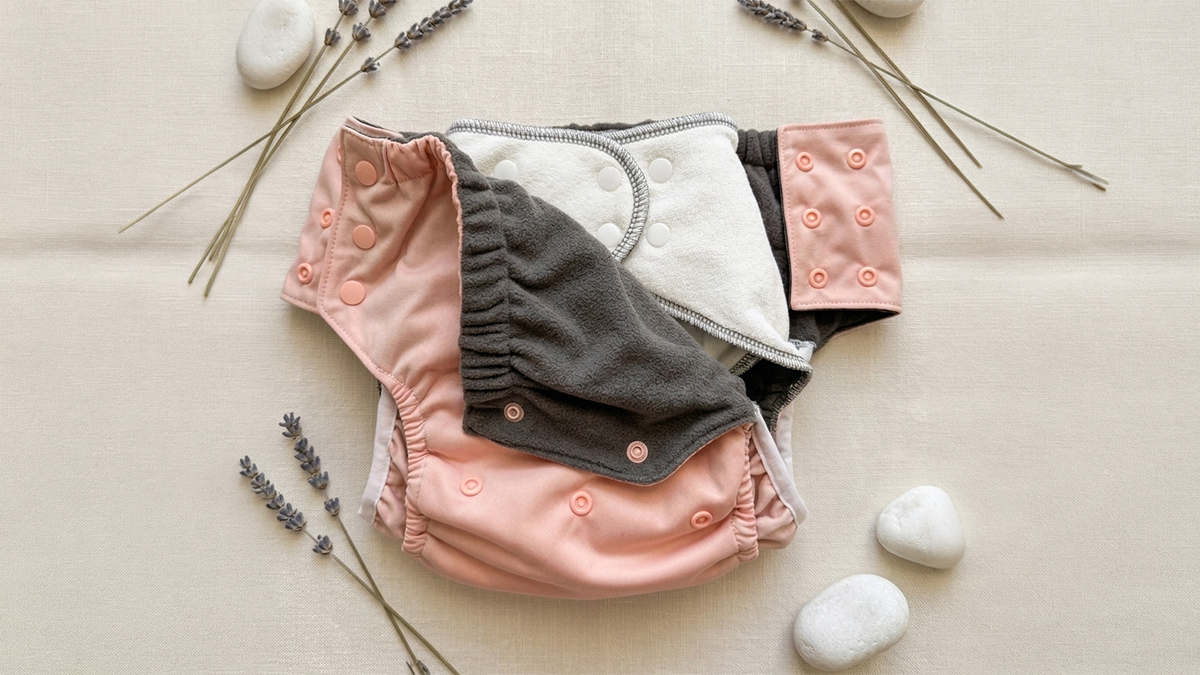
The good news is that the construction is consistent across the lines. Bamboo rayon next to the skin, microfiber and bamboo terry cores for absorbency, PUL waterproof outers on the pull-on style. A teen who's been wearing Big Kids and graduates to the adult line gets the same feel, the same stay-dry inner, the same layered approach — just sized for a larger body. No re-learning the system, no different fabrics against the skin, no surprise fit issues.
Daytime, Nighttime, or Both
The product setup depends on when your teen needs protection. Most families fall into one of three patterns:
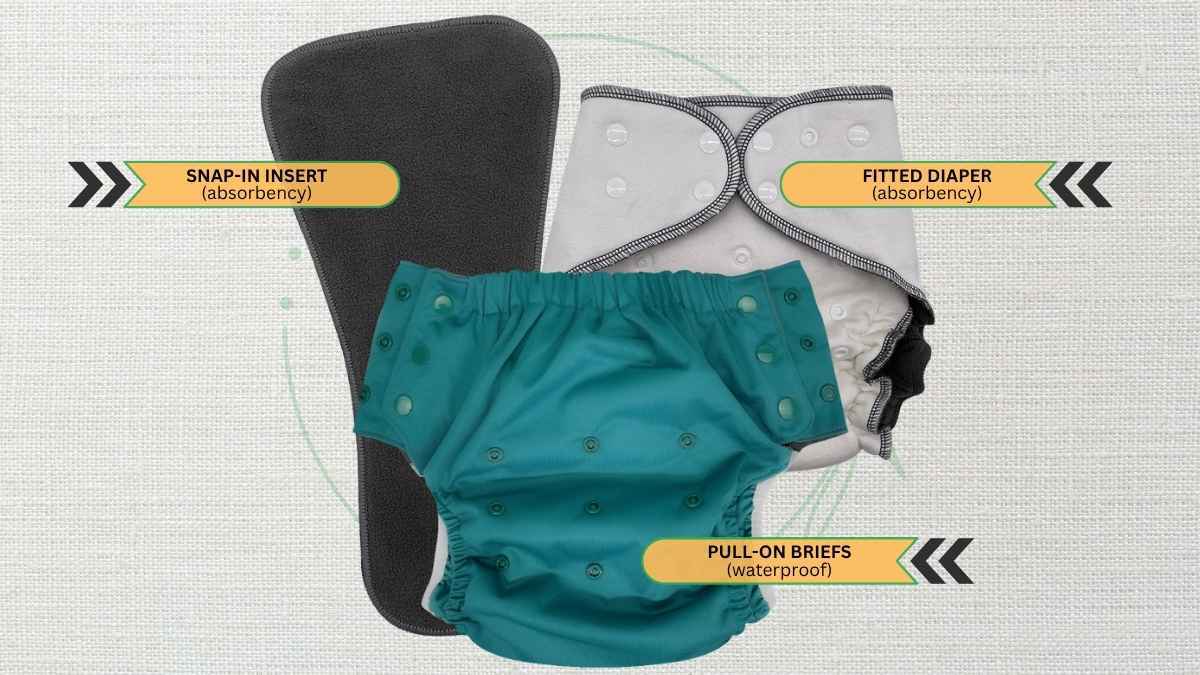
The most common pattern for teens with enuresis or overnight-only incontinence. The full three-piece nighttime system — fitted brief, snap-in insert, and pull-on as the waterproof outer — handles 8 hours of sleep without leaks for most heavy wetters. See our step-by-step guide to building the system for the full walkthrough.
Teens with full nighttime control but daytime needs — common in motor-condition and intellectual-disability situations. The pull-on diaper alone (with its included snap-in insert) handles most daytime needs. Slim profile under regular clothing for school, outings, and home. Add the bamboo terry insert for heavier days or longer stretches between changes.
Pattern 3 — Day and night. Teens with full or near-full incontinence use both setups. The daytime pull-on for active hours and changes, the full three-piece system for sleep. A typical full-time stash includes 4–6 pull-ons, 7–10 fitted briefs, 10–14 snap-in inserts, and a 3-pack of bamboo terry inserts for boosted absorbency when needed.
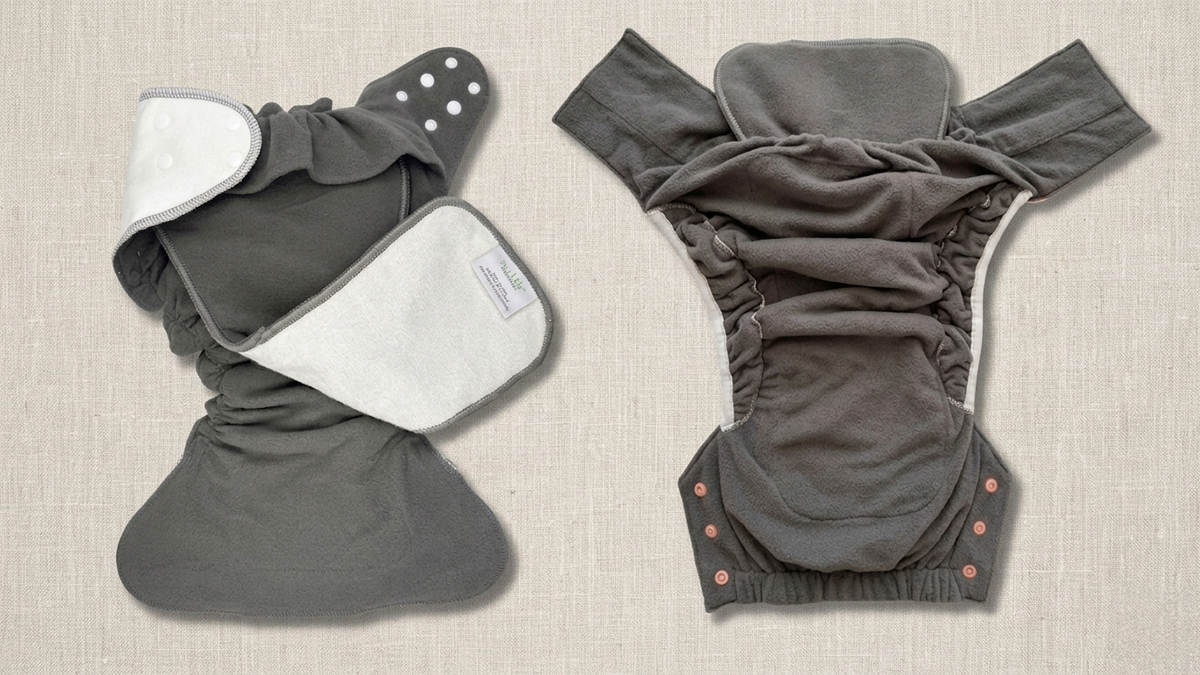
Where the snap-in insert goes is your choice. The bamboo snap-in insert can be snapped inside the fitted brief or tucked inside the pull-on's pocket. Both positions hold the same amount of liquid through the night — the choice is about comfort. Most parents find the insert inside the fitted is more comfortable for the teen because the absorbent layers sit closest to the body, but some teens prefer the insert in the pull-on pocket for a different feel. Try both and let your teen decide.
What Teens and Their Caregivers Are Actually Asking For
When we hear from families managing teen incontinence, the requests cluster around four things — most of which disposable products fail to deliver:
Dignity. The product shouldn't look or feel like a baby diaper or a clinical adjunct. Cloth — particularly in solid colors and with the soft fabric feel of bamboo rayon — reads as clothing, not as medical equipment. The pull-on style works like underwear, which matters psychologically as well as practically.
Discretion. The pull-on shell worn alone has a slim profile under regular clothing — jeans, athletic wear, school uniforms. With the snap-in insert added it's fuller (comparable to a thick training pant) and works best under looser pants. Teens who can manage it themselves can switch between the two configurations day-to-day depending on what they're wearing.
Comfort. Bamboo rayon's moisture-wicking stay-dry feel keeps the surface against the skin feeling dry even when there's significant liquid in the absorbent core. For a teen who would otherwise sit through hours of the sticky-when-wet sensation that disposables produce, this is the difference between tolerating the diaper and resenting it. No fragrance, no plastic crinkle, no chemical-feeling materials against teen skin.
Cost over time. Adult-sized disposable pull-ups in the kind of quantities full-time use requires run $80 to $150 a month, sometimes more. A cloth stash sized for daily use costs $300 to $500 upfront and lasts 2 to 3 years. For families already managing the financial weight of long-term care, the math matters.
Independence and Self-Management
For teens who can manage at least part of their own diapering, the cloth system supports independence as well as any disposable product, sometimes better. The pull-on goes up and down like underwear. The snap-in insert is straightforward to attach. The fitted brief uses the same snap-and-adjust mechanism as any other modern cloth diaper.
A few things that help teens take more of the routine on themselves:
Color choice. Letting the teen pick which color or print they wear gives them control over a part of their daily life that the underlying condition has otherwise taken from them. It's a small thing that often matters more than expected.
A clear changing routine. Same place, same supplies, same order of steps. Predictability reduces friction. Stash the day's diapers in a labeled drawer or basket; keep a wet bag accessible for soiled items.
Reasonable boundaries on caregiver involvement. Teens who can change themselves should. Teens who can manage some steps but not others (snapping the insert in, for example) should do what they can. The line moves over time; revisit it.
Quiet management of the laundry. Cloth diapers are visible in the wash and visible drying. For teens who are sensitive about it, run them in their own load and dry on a hidden rack — small accommodations that protect privacy without adding much work.
School, Travel, and Public Settings
Teen daytime use brings its own logistics. Most schools, programs, and public settings can be navigated with a small kit and some planning:
- The school bag kit. 2 spare pull-ons (or 2 fitted+insert combos for heavier days), a sealable wet bag for soiled items, and a complete change of bottoms in case of a leak through. The kit lives in the bag full-time so there's never a "did we pack it" moment.
- Coordination with school staff. If a 1:1 aide or school nurse handles changes, walk them through the system once. The pull-on works like training pants; the fitted+insert system has visible snaps that show where everything attaches. Used items go in the wet bag, sealed, into the backpack home — not the school's biohazard bin.
- Travel. For overnight trips, pack one pull-on per day plus 2 spares, one fitted brief per night plus 2 spares, and 2 snap-in inserts per fitted (heavy wetters use a 2:1 ratio). A medium wet bag handles laundry until you can wash. For long trips without laundry access, disposables are an acceptable bridge — cloth doesn't have to be all-or-nothing.
- Public settings. The pull-on shell alone, worn under regular clothing, is genuinely indistinguishable from underwear at a glance. Teens who are self-conscious in public can wear the slimmer configuration during the day and switch to the fuller setup at home.
When Cloth Is the Right Call
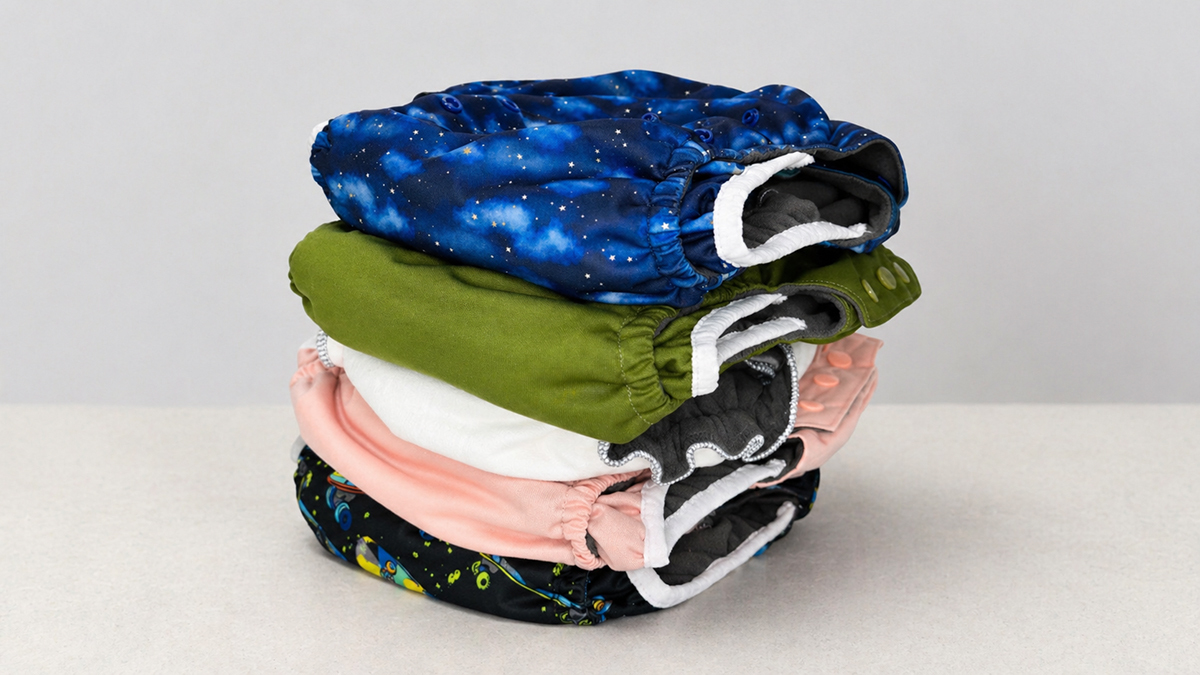
Cloth diapers are the right call for special-needs teens when incontinence or enuresis is a medium- to long-term reality, when the teen reacts to disposable materials, when adult disposable cost has become a burden, when fit issues with disposables are causing skin problems, and when dignity and comfort matter to your teen and your family.
They aren't the right call for short-term needs that will resolve in a few weeks, for households where regular laundry isn't possible, for travel or care contexts where disposables are genuinely easier (sleepaway camps, hospital stays, multi-day caregiving away from home), or for teens whose disposable routine is established and changing it would cause more disruption than it would solve.
For most families managing teen incontinence as part of the longer arc of caregiving — autism, developmental conditions, motor disorders, persistent enuresis — a cloth system is more comfortable, more affordable over time, and more dignifying than the alternatives. It's not a small purchase, but it's a small commitment relative to the years it works.
Browse the full Big Kids Cloth Diaper range (ages 6–16) for teens fitting our standard size range, or contact us about adult sizing for larger teens. For the system walkthrough, see our step-by-step guide to building the nighttime cloth diaper system or our parent's guide to bedwetting. Not sure on size? Email us your teen's hip measurement and we'll match you to the right size before ordering.
Frequently Asked Questions About Cloth Diapers for Special Needs Teens
My teen is bigger than your Big Kids size range — do you make adult cloth diapers?
Yes. EcoAble's adult cloth diaper line picks up where the Big Kids range ends. Same construction philosophy — bamboo rayon next to the skin with the moisture-wicking stay-dry feel, microfiber and bamboo terry cores for absorbency, PUL waterproof outers on the pull-on style. The only thing that changes is the size: adult cuts are made for adult bodies. A teen transitioning from Big Kids to adult sizing keeps the same fabric feel, the same layered system, and the same overall approach — just sized larger. Email us your teen's hip measurement and we'll recommend the right size.
Will my teenager actually agree to wear cloth diapers?
Most teens who try cloth after disposables prefer it within two or three weeks. The reasons are usually practical, not aesthetic: bamboo rayon's stay-dry feel beats the sticky-when-wet sensation of SAP-gel disposables, the soft fabric feels less clinical than plastic films, and the pull-on style works like underwear rather than feeling like a baby diaper. Letting your teen pick the color or print, introducing the system on a low-stakes day at home rather than mid-school-week, and using the same word for it every time all help with adoption. If your teen rejects the system on the first try, set it aside for a few days and reintroduce smaller — many initial refusals turn into preferences once the teen has worn the system through a wet event and noticed the comfort difference.
Can my teen change themselves, or do I have to be involved?
Most teens with the motor coordination to manage disposable pull-ups can manage cloth pull-ons. The pull-on goes up and down like underwear. The snap-in insert attaches with visible snaps. The fitted brief uses the same snap-and-adjust mechanism as any modern cloth diaper. For nighttime use, some teens prefer to set the system up themselves and just have the caregiver be available for size adjustments or troubleshooting. The level of caregiver involvement depends on your teen's specific needs and abilities, but cloth doesn't require more help than disposables and sometimes requires less because the layering is straightforward to learn once.
How discreet are these under regular teen clothing?
The pull-on shell worn alone (with its built-in thin absorbency layer) is genuinely indistinguishable from underwear under jeans, athletic wear, school uniforms, and most teen daily clothing. With the snap-in insert added for full daytime absorbency, the fit is fuller — comparable to a thick training pant — and works best under looser pants like joggers or sweatpants. Many teens use the shell alone during the day for slim profile and add the insert for longer outings, harder days, or sleep. The fitted brief used in the nighttime system is bulkier by design and is worn at home with pajamas, not under daytime clothing.
How much does it cost to set up a teen cloth diaper system compared to disposables?
A complete teen stash for full-time daytime and nighttime use runs $300 to $500 upfront and typically lasts 2 to 3 years before any pieces need replacing. Adult-sized disposable pull-ups for the same use case run $80 to $150 a month — so $1,000 to $1,800 a year, every year. The cloth stash pays for itself within 4 to 6 months of full-time use and continues working for years after. For families managing long-term incontinence as part of broader caregiving, the cumulative savings over 2 to 3 years are substantial — often $2,000 to $4,000 net.
Are EcoAble cloth diapers for teens FSA or HSA eligible?
Cloth diapers used for diagnosed incontinence, enuresis, or special-needs care are generally eligible as a qualified medical expense under FSA and HSA rules when prescribed or recommended by a healthcare provider. Keep your receipt and a Letter of Medical Necessity from your teen's physician on file with your plan administrator. Reimbursement rules vary by plan — confirm eligibility with your administrator before purchase. See our full FSA and HSA eligibility guide for which products qualify and how to submit a claim.
How do I handle washing for teen-sized cloth diapers?
The wash routine for teen cloth diapers is similar to other cloth — rinse soiled diapers cold, store dry in a lidded pail or wet bag, run a full hot wash with cloth-diaper-safe detergent and a second rinse every 2 to 3 days. The main difference at teen size is volume: teen diapers are larger and absorb more, so you may run loads more frequently or use a larger washer setting. Tumble dry pull-ons on low or hang to dry; fitteds and inserts can dry on medium. Strip wash every 6 to 8 weeks if you notice persistent ammonia or reduced absorbency. For privacy-conscious teens, a separate load run discreetly works fine — the diapers don't require any special handling beyond standard cloth-diaper care.