
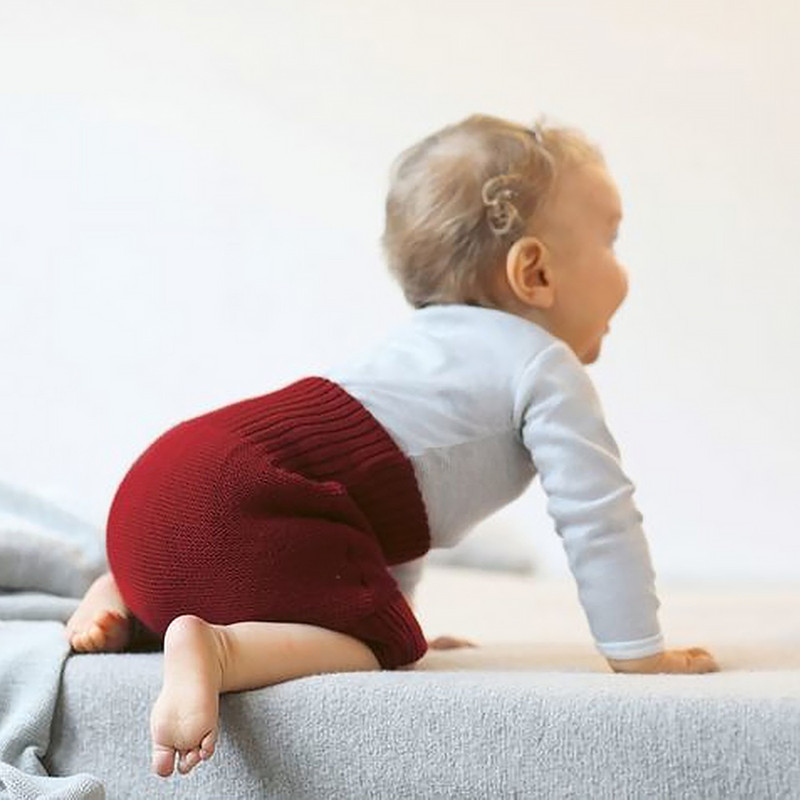


Description
The natural-fiber cover that breathes with your baby
A double-knit organic merino wool diaper cover from Disana, made in Germany. Breathable, naturally temperature-regulating, and water-resistant when lanolized — a genuine natural-fiber alternative to PUL for parents building an all-natural cloth diaper system.
How a wool cover actually works
Wool covers work on a completely different principle from PUL. Understanding the mechanism makes the whole system — including the lanolizing routine — make sense.
When a wool cover is the right choice
This is a cover — you pair it with an absorbent diaper
The wool cover contains moisture; an absorbent diaper underneath does the actual absorbing. Together they form the complete cloth diaper system. Here's what works well with this cover.
Using your wool cover, step by step
If you've never used a wool cover before, this walks you through the full setup — from preparing the cover to daily use.
The full step-by-step process for washing and lanolizing wool covers is available here: How to Wash and Lanolize Wool Cover. It sounds more complicated than it is — most parents get comfortable with the process after doing it once.
What makes this Disana cover distinctive
What it's made from
The entire cover — double-knit construction · GOTS certified · Made in Germany
Merino wool is finer than standard wool, which is why it's soft enough to wear directly against a baby's skin without any of the prickly feel associated with coarser wool. Merino fibers also have excellent moisture-regulating properties — they can absorb up to 30% of their weight in moisture before feeling damp.
Virgin wool means the wool has not been recycled or reprocessed. The fibers are long and intact, which improves durability and absorbency.
Organic certification (GOTS) means the wool comes from farms that meet the Global Organic Textile Standard — covering animal welfare, farming practices, and the processing and dyeing stages of the finished fabric.
Double-knit construction provides two layers of wool rather than one, which is what gives this cover its reliable overnight leak performance.
Six sizes from newborn through age 6
Disana uses European sizing based on a child's height in centimeters. Six sizes are available, covering the full cloth diapering age range.
| EU Size | Age Range | Approx. Height |
|---|---|---|
| 50-56 | 0–3 months | 50–56 cm (20–22 in) |
| 62-68 | 3–6 months | 62–68 cm (24–27 in) |
| 74-80 | 6–12 months | 74–80 cm (29–31 in) |
| 86-92 | 12–24 months | 86–92 cm (34–36 in) |
| 98-104 | 3–4 years | 98–104 cm (39–41 in) |
| 110-116 | 5–6 years | 110–116 cm (43–46 in) |
Is this the right cover for you?
A straight look at what a wool cover does well, what to know going in, and what parents new to wool should understand before buying.
- Parents intentionally building an all-natural cloth diaper system with no synthetic materials
- Overnight cloth diapering — paired with a hemp-cotton or organic cotton fitted diaper, this cover handles 10–12 hour stretches reliably
- Babies with rash-prone skin who benefit from the breathability wool provides
- Warm climates where PUL feels hot — wool breathes and keeps skin cooler
- Cooler climates and overnight use where wool's temperature regulation is an asset
- Parents who want a cover that rarely needs washing — wool's natural antibacterial properties mean weekly washes rather than after every few uses
- Wool is water-resistant, not waterproof. The cover needs to be lanolized before first use and periodically after. This isn't a downside — it's how wool works — but it is different from the plug-and-play routine of PUL
- If poop gets on the cover rather than being contained by the diaper underneath, the cover needs to be hand washed before re-use
- Wool covers require wool-specific detergent and hand washing. Regular laundry detergent, hot water, or machine washing will felt and shrink the cover permanently
- The double-knit construction is a genuine premium product — expect higher upfront cost than a PUL cover, offset by the fact that wool covers last for years and often get passed between children
- The first time you lanolize a cover is the most intimidating step. In practice it takes about 15 minutes, and it's forgiving of mistakes. The full guide walks through the process
- If you don't already have an absorbent diaper to pair with this cover, natural-fiber options include the EcoAble Hemp Night Fitted Diaper or the Disana Cotton Fitted Diaper with Ties
- Wool has a slight natural smell when new — this fades with washing and is not urine odor
- If you prefer a simpler cover with less learning curve, the EcoAble Heavy Duty PUL Cover is machine washable and fills many of the same jobs — PUL is a legitimate choice, not a lesser one
Washing and caring for your wool cover
Hand wash in cool water with a wool-specific detergent — gentle pressing only, never wringing or agitating. Rinse thoroughly. Lanolize when the cover is soiled or no longer repels moisture — not after every wash. Roll the cover in a clean towel to remove excess water, then lay flat to dry. Never machine wash, never tumble dry, never use regular detergent or fabric softener — any of these will felt and shrink the wool permanently. When properly cared for, wool covers last for years and can often be passed between children. Full instructions: How to Wash and Lanolize Wool Cover.
What parents ask most
Wool covers raise questions that PUL covers don't. Here are the ones that come up most.
Wool vs PUL — which should I actually choose?
Do I really have to lanolize it?
How often do I actually have to wash the wool cover?
What absorbent diaper should I pair this with?
Can I use this as shorts in warm weather?
Why does Disana recommend a different age for the larger sizes now?
Does the cover smell like urine after use?
All EcoAble orders ship in plain, unmarked packaging.